
Storm Damage Roof Repair in Deltona — Wind Lift, Debris & Weather-Related Damage
Central Florida's storm season brings strong winds, heavy rainfall, and the occasional tropical system that can damage even well-maintained roofs. Our storm damage repair service in Deltona covers wind-lifted shingles, displaced tiles, fallen debris damage, and the water intrusion that often follows when protective roofing layers are compromised.
How Storms Damage Deltona Roofs
Different types of storm events create different types of roof damage, each requiring a specific repair approach.
Wind Lift and Shingle Displacement
Strong gusts catch shingle edges and break adhesive bonds. Once a shingle lifts, surrounding shingles become more vulnerable because wind can now get beneath the surface. Wind-lifted areas expose underlayment to UV and rain.
Tile Displacement and Breakage
Concrete and clay tiles can shift, crack, or break during strong wind events. Even tiles that appear intact from ground level may have moved enough to expose the underlayment beneath, creating a hidden entry path for water.
Fallen Branches and Debris Impact
Deltona neighborhoods with heavy tree canopy are especially vulnerable to fallen limbs during storms. Branch impacts can crack tiles, puncture shingles, dislodge flashings, and damage the decking beneath the roofing surface.
Wind-Driven Rain Infiltration
Rain pushed horizontally by wind can enter through gaps that would not leak during normal vertical rainfall. Wall-to-roof transitions, flashing joints, and lifted material edges are common entry points during wind-driven rain events.
Flashing Separation and Sealant Failure
Storm forces can peel flashing away from walls, chimneys, and roof edges. Existing sealants that have aged or dried can fail entirely under wind stress, opening gaps that allow water behind otherwise undamaged roofing.
Flat-Roof Membrane Lift and Ponding
Strong winds can lift seams on TPO and modified bitumen roofs. Storm debris can clog drains and scuppers, creating ponding water that accelerates membrane deterioration and can leak through weakened seams.
After the Storm: What Deltona Homeowners Should Know
After a storm passes through Deltona, many homeowners understandably want to assess the damage immediately. The first priority is personal safety. Do not climb onto a roof that may have weakened decking, loose materials, or wet surfaces. Instead, observe from ground level and document any visible damage with photos.
Not all storm damage is visible from the ground. Wind can crease shingles, loosen nail attachments, and shift tiles without removing them entirely. These hidden damages may not produce a leak until the next rain event. A professional post-storm inspection identifies both visible and concealed damage.
If the damage is significant enough that water is entering the property, temporary tarping or covering should be done promptly to prevent secondary damage to ceilings, insulation, drywall, and personal property inside.
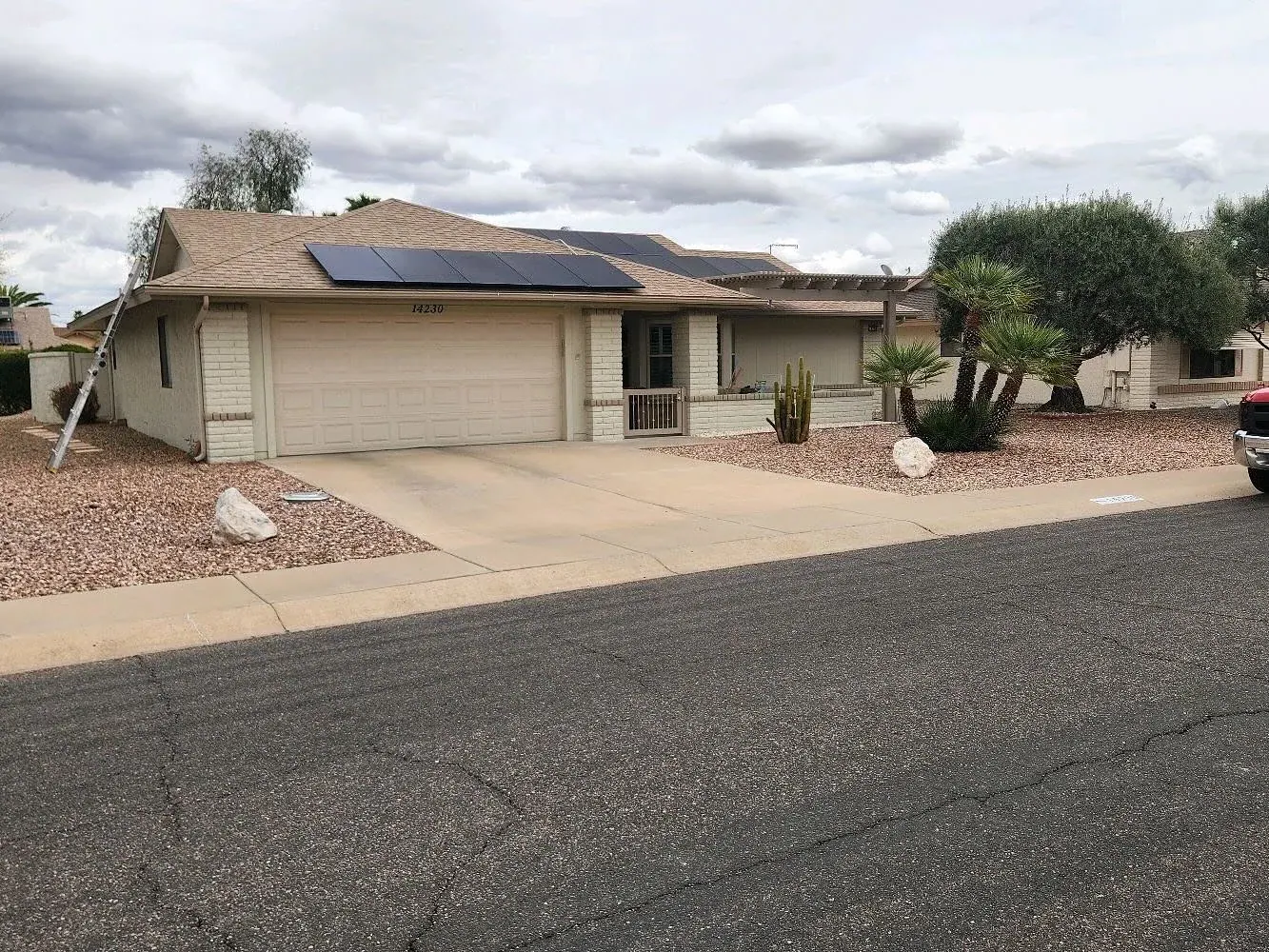
Storm Damage Repair Steps
Post-Storm Safety Assessment
We inspect the roof for structural safety before anyone walks on it. Unstable areas are identified and marked to protect our crew and your property.
Detailed Damage Documentation
Every damaged area is photographed and measured. This documentation supports insurance claims and provides a clear record of pre-repair conditions.
Immediate Protection
If the roof is actively exposed, we install temporary tarping or cover to stop water entry. This prevents secondary interior damage while permanent repairs are planned.
Permanent Storm Repairs
Once conditions are safe and materials are sourced, we complete the permanent repair using compatible materials and proper installation methods for lasting results.
Deltona's Storm Exposure and Roofing Vulnerability
Deltona's location in Volusia County places it in a corridor that sees frequent afternoon thunderstorms from late spring through early fall. These storms can produce sustained winds, sudden gusts, heavy downpours, and occasional hail. Tropical systems that track through Central Florida add a more intense layer of wind and rain exposure.
Neighborhoods with mature tree canopy—common in many Deltona subdivisions and nearby Enterprise, DeBary, and Orange City—face additional risk from falling branches. The combination of wind, rain, and debris makes storm damage one of the most common reasons trusted Deltona roofing contractors each year.
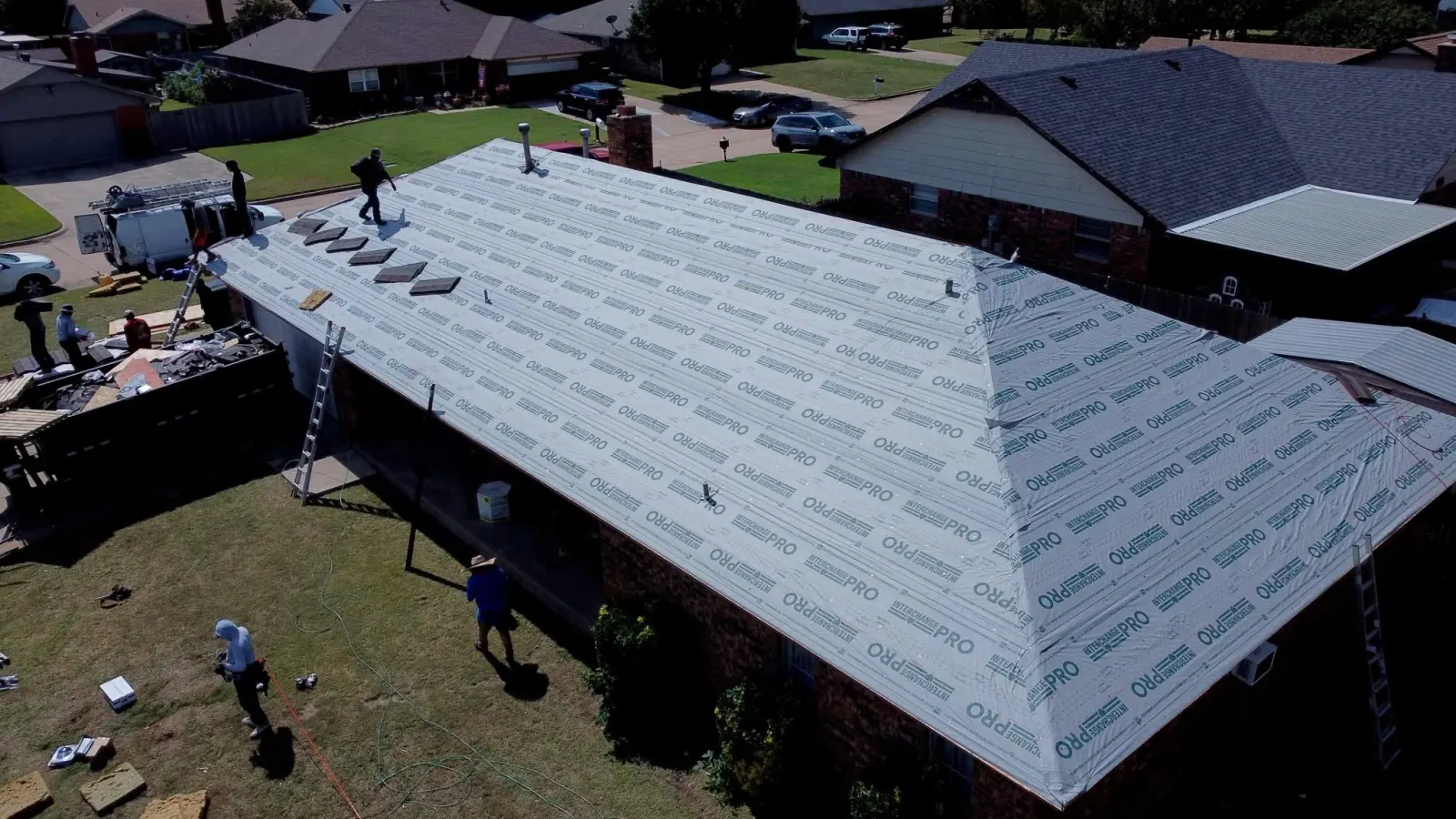
Storm Damage Documentation for Insurance Purposes
If your roof damage was caused by a sudden weather event, your homeowner's insurance policy may cover part or all of the repair cost, depending on the policy terms, deductible, and exclusions. Coverage decisions are ultimately made by your insurance company.
Our role in the insurance process is limited to providing accurate, professional documentation of the damage we observe during our inspection. We photograph every affected area, measure the extent of damage, and note the materials involved. This information can support your claim by providing clear, factual evidence of what happened to the roof.
We do not make coverage promises, interpret policy language, or provide legal advice regarding insurance. We recommend contacting your insurer directly for guidance on your specific policy and claim process.
Storm Damage FAQ
From ground level, look for missing or displaced shingles, tiles that have shifted, debris on the roof, or flashing that has pulled away. Ceiling stains, dripping during rain, and granules in gutters after a storm are additional indicators. A professional inspection can identify hidden damage not visible from the ground.
Yes, especially after a significant wind event. Wind can crease shingles, loosen fasteners, and shift tiles without removing them. These hidden issues may not produce a leak until days or weeks later when the next rain arrives.
As soon as it is safely possible. Delaying inspection can allow secondary damage from water entry, and insurance policies may have timeframes for reporting damage. A prompt inspection provides accurate documentation of the storm's impact.
Often, yes. If the damage is confined to a specific area and the surrounding roofing system remains in serviceable condition, a targeted repair is typically practical. When damage is widespread, a partial reroofing or full replacement may be more appropriate.
We provide detailed documentation of the damage we observe, including photographs and measurements, which can support your insurance claim. We do not interpret policies or make coverage promises. Contact your insurer directly for claim guidance.